Showing posts with label Aqeeda (Belief). Show all posts

Wednesday, 27 January 2016

Does the Hadith about the 5 periods of Rulership in Musnad Ahmad and that the last of times will be a righteous Caliphate (Khilafah Ar-Rashidah), apply to Modern times or not ?

0 Comments

Does the Hadith about the 5 periods of Rulership in Musnad Ahmad (???? ????)and that the last of times will be a righteous Caliphate (Khilafah Arrashida), apply to Modern times or not ?
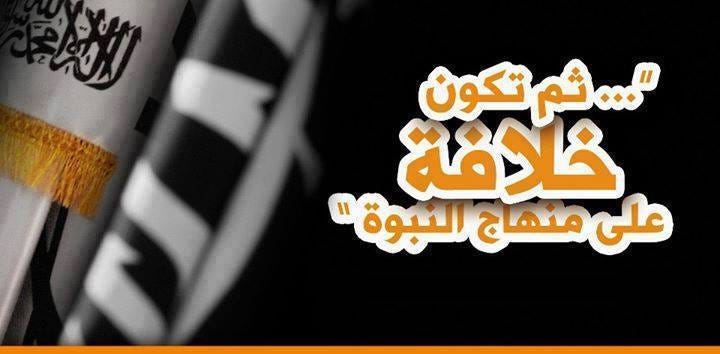

??? ??? ?????? ???? ?? ??????? ?? ???? ??? ???? ??? ????? ???: ??? ?????? ?? ?????????? ??? ????? ?????? ????: ?? ???? ?? ??? ????? ???? ???? ???? ??? ???? ???????? ?? ???????? ???? ?????: ??? ???? ?????. ???? ??? ?????.
???? ?????: ??? ???? ???? ??? ???????? ????: ???? ?????? ???? ?? ??? ???? ?? ????? ?? ?????? ???? ??? ??? ????????? ?? ???? ????? ??? ????? ?????? ????? ?? ??? ???? ?? ????? ?? ?????????? ??? ??? ?? ??????? ?? ???? ????? ????? ????? ?? ??? ???? ?? ????? ???????? ??? ??? ???? ?? ??????? ?? ???? ????? ????? ????? ?? ??? ???? ?? ??????? ?????? ???? ??? ??? ?? ??????? ?? ???? ????? ??? ????? ??????? ?? ???. ???????: ???? ??? ????? ??? ??????? ???? ???? ?? ??????? ?? ???? ?? ??????? ????? ???????? ?????? ????? ????. ???? ??: ??? ???? ?? ???? ???? ?????????�????? ????�???? ????? ?????????????? ????? ????? ??? ??? ?? ??? ?????? ??????? ?? ??????.
It was narrated by Ahmed in his Musnad, from Al-Nu�man b.Bashir, who said: �We were sitting in the mosque of the Messenger of Allah(saw), and Bashir was a man who did not speak much, so Abu Tha�labah Al-Khashnee came and said: �Oh, Bashir bin Sa�ad, have you memorized the words of the Messenger of Allah (saw) regarding the rulers?� Huthayfah replied, �I have memorized his words�. So Abu Tha�labah sat down and Huthayfah said, �The Messenger of Allah (saw) said �Prophet-hood will be among you as long as Allah wishes, then He will lift it up when He wishes to lift it up. Then there will be a Khilafah on the way of the Prophet, and it will be as long as Allah wishes it to be, then Allah will lift it up when He wishes to lift it up. Then there will be an inheritance rule (????? ?????),and it will last as long as Allah wishes it to, then Allah will lift it up ifwhen He wishes to lift it up. Then there will be a coercive rule(????? ?????), and it will last aslong as Allah wishes it to be, then Allah will lift it up when He wishes to liftit up. Then there will be a Khilafah on the way of Prophet-hood.� Then he (saw)was silent.� Habib said: �When Umar ibn AbdulAziz became caliph I wrote tohim, mentioning this tradition to him and saying, �I hope you will be thecommander of the faithful after the biting and the oppressive kingdoms.�It pleased and charmed him, i.e. Umar ibn AbdulAziz.�
Reference: Masnad Ahmed bin Hanbal (Hadith # 18430) ,As-Saheeha al-Albani (Hadith # 5). It has been declared Hasan by Sh�uaibArnaoot, and al-Albani classified it as Sahih. The text quoted is the one fromMasnad Ahmed.
This hadith is informative in nature and does not carry any Hukm as such rather is depictive of a reality, there is a possibility that some people may get confused with its actual intended meaning and may mistake with their application of the periods as discussed in the hadith.
I have come across several kinds of explanations of the hadith recently with some commentators saying that the period of the second righteous Caliphate is that of Umar bin Abdul Aziz and they substantiate their viewpoint with the last part of the hadith where the narrator Habib said: �When Umar ibn AbdulAziz became caliph I wrote to him, mentioning this tradition to him and saying, �I hope you will be the commander of the faithful after the biting and the oppressive kingdoms.� It pleased and charmed him, i.e. Umar ibn AbdulAziz.�
There�s another viewpoint that some people carry and that is that if we take this hadith to refer to our times and that the Khilafah discussed in the last part of the hadith is yet to be established , that would simply imply that all rulers of Muslims before our times where despots and oppressors.
The correct way to study the subject
To understand the hadith, firstly we need to appreciate the fact that the hadithtalks about 5 different periods with clear distinctions between one period and the others. So the period of the righteous Khilafah after the prophet (saw) was different to the period that succeeded this period, i.e the Mulkan Aa�dan.Mulk here does not mean Kingdom rather means rulership [For more details refer to Mu�jam al waseet and Tajuluroos min jawahir al Qamoos]. As for the term aa�ddan it means biting and here it is used metaphorically to mean that the rulers will hold onto power as if they were biting on to power and this is why the Scholars referred this period to be the inheritance rule, this is the period that started with mua�wiya (ra) who appointed his son yazid to power.
This period continued until 1924 when the last remains of the UthmaniKhilafah was dismantled and it was then replaced with the Psuedo-Democratic, Secular Nationalist states which oppressed its masses.
These states brought turmoil and killings on its people of a scale which humanity had never seen before and they replaced the Shariah with the Man-made laws and relegated the Law of God to the Masjids and the Courts OfNikah.
We should remember that even this understanding cannot be considered as a correct & accurate understanding but when we compare the realities as described in the hadith, the application which we have described here is in line with the reality.
As for the issue that the second righteous Khilafah was established at the time of Umar bin Abdul aziz, there are a few points.
Firstly, the hadith ends where the narrator makes the statement �then the prophet stopped�, After that it is the opinion of the narrator that is presented and it is merely his wish that is being discussed here that he hoped that Umar bin Abdul aziz was that righteous Khalifah. He understood the 3 khalifahs after Ali (Ra) to constitute the period of hereditary rule and the period of oppression, however we need to understand that the hadith refers to a period of oppression and a period of hereditary rule and a period cannot be taken to mean the rule of one ruler or two, rather it is the manifestation of a trend and behavior for a period of time that is being indicated here, this is what Albani (rah) says in his book silsilah asaheeha:
??? ?????? ???? ??? ?????? ??? ??? ?? ??? ?????????? ?????? ???? ????? ????? ???????? ???????? ??? ??? ??? ????? ??? ??? ???? ????.????? ????.
�it is far fetched for me to say that the hadith applies to umar bin abdul aziz because his khilafah was close to the period of the (first)khilafah arrashida and after this first khilafah arrashida twoperiods that is the period of hereditary rule and the period of oppression did not take place. Allah knows best�
Secondly, even if we were to take into consideration that the opinion of the narrator is correct and that indeed with Umar bin abdulaziz the second righteous caliphate had started and ended ,we should remember that the implementation of the rule of Allah (swt) is a fard and that it is a sin to remain under the authority of the ruler who rules by kufr.
Just because an informative hadith leads to a different understanding cannot mean that the ayat which command the muslims to rule by the book of Allah (swt) and gives warnings about those who rule by other than what allah (swt) sent be left aside or reinterpreted ? The question that needs to be answered now is?�?Because umar bin abdulaziz was the second righteous Caliphate does it mean that The Muslims no longer need to apply the Shariah ?
Allah (swt) Says:
????????????????????????? ????????? ?????? ???????? ???? ??????? ??????? ??????????????????
Do they then seek the judgement of (the days of)Ignorance? And who is better in judgement than All�h for a people who have firmFaith. [Maidah:50]
?????? ???? ???????? ????? ???????? ??????? ??????????? ???? ?????????????
And whosoever does not judge by what All�h has revealed,such are the K�fir�n [Maidah:44]
?????????? ???????? ????? ???????? ??????? ??????????? ???? ?????????????
And whosoever does not judge by that which All�h hasrevealed, such are the Z�lim�n [Maidah:45]
?????????? ???????? ????? ???????? ??????? ??????????? ???? ?????????????
And whosoever does not judge by what All�h has revealed(then) such (people) are the F�siq�n [Maidah:47|
??? ??????: ???? ???? ??? ???????? ????? ????? ?? ????? ?????. ????? ?? ?????: ????: ?????? ???? ???????? ???? ???????? ??????? ???? ?????? ?????? ????? ???? ??????? ??? ?? ??? ????? ???? ??? ????? ???? ?????? ???? ????????? ??? ??? ??? ??? ?????? ??? ???? ??? ???? ????? ?????? ????? ???? ??? ??????? ????? ??? ??? ?????
Imam razi says in his tafseer: it is incorrect to assume that the ayat above apply to the Jews because �the consideration is given to the generality of the words and not the specificity of the cause� [this is a well known usuliprinciple] , and then he quoted Ikrimah?�?the one who does not rule by what allah has sent applies to the one who denies it by his heart and his tongue , as for the one who accepts by his heart that this is the rule of allah and accepts it by his tongue that this the rule of allah but does what is contradictory to the rule then he does not fall under this rule.
Ibn Abbas (ra) says
?? ?? ?? ???? ??? ???????? ?????? ?????? ?? ? ??? ???? ? ??? ?? ???? ????? ?? ??? ???? ???? ? ??????? ??? ???? .
�the one who does not rule by what allah (swt) has revealed and denies it , he is a kafir, and the one who does not rule by the rule of allah but accepts it is aZalim and a fasiq
The prophet (saw) said:
?????????????????? ????????????? ????????????? ?????? ?????? ?????? ?????? ?????????????? ???????? ???? ?????? ????????? �. ??????? ??????? ????????????? ????? �??? ??? ???????? �
�Amirs will be appointed over you, and you will find them doing good deeds as well as bad deeds.The one who hates their bad deeds is absolved from blame, the one who disapproves of their bad deeds is also safe, but the one who approves and follows is doomed.� It was said: �O Messenger of Allah! Should we not fight them with thesword?� He said: �No, as long as they continue to establish prayer amongstyou.�
The opinion of the scholars that the Ummah should be ruled by the book of Allah (swt) and the Sunnah of his messenger and that it should remain under the authority of an imam is a matter that the scholars extensively wrote about:
Imam abu ul-Hasan al-Mawardi (rh.a.) said, ��The contract of the Imamah(leadership) for whoever is standing with it, is an obligation by Ijmaa�a(consensus)�. (al-Ahkam us-Sultaniyyah [Arabic] p56.)
Imam Ahmed (rh.a.) said: ��The Fitna (mischief and tribuulations) occurs when there is no Imaam established over the affairs ofthe people�.
Abu Hafs Umar al-Nasafi (rh.a.) a noted scholar of the 6th century Hijri states;
�The Muslims simply must have an Imam (Khaleefah),who will execute the rules, establish the Hudud (penal system), defend the frontiers, equip the armies, collect Zakah, punish those who rebel (against the state) and those who spy and highwaymen, establish Jum�ah and the two �Eids, settle the dispute among the servants (of Allah),accept the testimony of witnesses in matters of legal rights, give in marriage the young and the poor who have no family, and distribute the booty�.
Imam Al-Juzayri, an expert on the Fiqh of the four great schools of thought said regarding the four Imams, �The Imams (scholars of the four schools of thought- Shafi�i, Hanafi, Maliki, Hanbali)-may Allah have mercy on them- agree that the Imamah (Leadership) is an obligation, and that the Muslims must appoint an Imam who would implement thedeen�s rites, and give the oppressed justice against the oppressors�.(�Fiqh ul-Mathahib ul- Arba�a� [the Fiqh of the four schools ofthought], volume 5, page 416.)
As for the understanding that if we take this hadith to refer to our times and that the Khilafah discussed in the last part of the hadith is yet to be established that would simply imply that all the rulers of Muslims before our times were despots and oppressors?�?this understanding arises because of mixing between the concept of Mulkan Aaddan and Mulkan Jabriyy.
The two periods are distinct with clearly different behavioral traits exhibited by the rulership with in them. The mulkan aaddan isdistinct due to the rulership held in a clan or a family , however the rulers of this period implemented the rule of Allah (swt), this is apparent from the record of their courts and the fatwas issued and the books that where written during that time and the 100�s of books of history that documented their affairs, they all indicate that the rulers during the time of Abbasids, Umayyad and theOttommans ruled by the book of Allah. There are indications that there were transgressions that happened however, none led the rulership to become one that was out of Islam. This is offcourse while keeping in consideration that there were certain rulers who indeed left the fold of Islam like Akbar, the Mughal ruler who tried to create a new religion?�?Deen iIlahi.
The Mulkan Aa�ddan period can be understood to have ended with the destruction of the Ottoman Khilafah but this is debatable as some scholars say that it ended a few years prior to the destruction of the ottoman Khilafah when the western forces had occupied large swathes of Turkey.
The period of Mulkan Jabriyy is distinct due to its oppression, the oppression being manifest in aspects of deen where they removed the deen from the life affairs to that of the masjid only and the torture of people and taking away their wealth. These are but a few of the manifestations of this period which we all are living through. Todays rulers, Sisi, Salman, bashar assad, Mubarak, all fall under this period and it is these who form the crux of the Oppressive rulers.
The sincere observant of history and global politics will appreciate that thehadith talks about our times indeed and that there is no doubt that we are in the period of Mulkan Jabriyy (the Oppressive Rule) and it is inevitable that the prophesied Khilafah Arrashida will be a period after this.
--

Abu Khaled Al Hejazi

Geo-Political observer & commentator. Tech Enthusiast. Digital Entrepreneur. Hafidh Al Quran, Recieved Ijaza in Shariah. A Humble student of of Islamic Sciences

Tuesday, 29 December 2015

Spread Hope and Tawakul Not Just Despair

0 Comments
Every few minutes of the day, on our TV, smartphones and via the internet, we receive the latest news and videos of atrocities facing our Ummah in the areas where we live and abroad. The latest massacre in Syria, the latest verbal assault on a Muslim woman on a bus in London and the latest UK government policy targeting our Mosques and madrassas. The constant barrage of bad news through the forwarding of these messages and videos is leading some to despair and choose to become silent or even change their appearance and aspects of our Deen � due to not seeing a way out of the many tests that are facing us on many fronts.
Comment:
The ability � via social media and smartphone apps � to forward distressing news of the latest plots, attacks and policies against Islam and Muslims is leading some to despair. In a single day, some of us receive so many videos one after another that the bad news can become overwhelming and paralysing. They seem to further reconfirm the power of our enemies and our helplessness. Is this the intended purpose?
When the Prophet ? was in the cave with Abu Bakr (ra) during the hijra, the situation was indeed desperate. The Quraish had now decided to finish him and to hunt him down and those pursuing them where just at the entrance to the cave leading to Abu Bakr to be extremely anxious. Instead of further increasing Abu Bakr�s anxiety by saying that they were indeed doomed, or that they would surely be captured, the Prophet ? reassured his companion telling him not to despair because Allah ?????? ?????? � the All Powerful � is with them and would aid them. Allah relates this in the Qur�an,
???? ????? ??? ???????? ???? ??????? ??????????? ??? ???????? ????? ??????? ??????? ????????? ??????? ??????????? ???????? ??????????? ????????? ????? ????????? ???????? ???????? ????????? ???????? ??????????? ? ?????????? ??????? ???? ?????????? ? ????????? ??????? ???????
�When they were in the cave and he said to his companion, �Do not grieve; indeed Allah is with us.� And Allah sent down his tranquillity upon him and supported him with soldiers (angels) you did not see and made the word of those who disbelieved the lowest, while the word of Allah � that is the highest. And Allah is Exalted in Might and Wise.�
(At-Tawba 9:40)
So we should forward and spread the news about the problems, challenges and tests facing our Ummah but we should not do that alone without also forwarding reminders of Allah�s Might and Power and ability to rescue you from any situation � even when you cannot see a way out. We should also forward positive stories of Muslims who are challenging those against them or standing up proudly with their Deen despite the trials. Such things help to remind us to have tawakkul(Dependence on Allah), sabr (patient perseverance) and hope. This is what the Prophet ? did when he reminded Abu Bakr in the cave that Allah ?????? ?????? is with them � and on the side of the believers. So let us act as He ordered, make dua to Him to ease our situation and to grant victory to our Ummah soon. Let us be those who awaken people to the reality of the challenges facing us whilst also spreading hope and reliance on Allah ?????? ??????.
????????? ??????? ?????? ???????? ?????????? ???????? ???????? ??? ???????????
�And Allah is predominant over His affair, but most of the people do not know.�
(12:21)
Taji Mustafa

Saturday, 24 October 2015

Q&A: The Wrong Judgment in �Khilaf Al Awla�

0 Comments
Question:
As-Salaam Alaikum
Is the Prophet�s ? wrongful judgment over what constitutes priorities in small matters (Khilaf Al Awla) considered as Ijtihad or is it another matter? Please clarify this.
May Allah bless you and guide you in the straight path granting you victory.
From Numan Abo Ali


Answer:
Wa Alaikum us Salaam Wa Rahmatullah Wa Barakaatuhu
You may be referring to what is mentioned in the book al-Shakhsiyya al-Islamiyya Vol.1.  that �It is not proper to describe the Messenger ? as a Mujtahid but it is allowed for him to make a wrongful judgment over what constitutes priorities in small matters (khilaf  Al Awla)�, and this is what prompted you to ask about the difference between Ijtihad and Khilaf Al Awla.
To answer this, it is vital to know the reality of Ijtihad and the reality of Khilaf Al Awla.
First:
Linguistically, ijtihad it means �exerting utmost effort� (istifragh al-wus`i) to realise and obtain something leading to inconvenience (kulfah) and hardship (mashaqqa).
Technically (among Usul scholars), it means: expending one�s utmost effort in seeking the opinion in something related to the Islamic rulings (al-ahkam al-shar`iyyah) such that one feels unable to exert any further
This means that the Islamic ruling (Hukum Shar�i) of a matter is not known to the Mujtahid, he must perform Ijtihad to find the Islamic ruling on the matter, so he exerts effort to understand the reality of the issue and search for the relevant Shariah evidences to it, and exerts utmost effort to study them and he adopts the opinion that has the least amount of doubt as the Hukum Shar�i on the issue.
According to this understanding of Ijtihad, it is therefore improper to describe the Prophet ? as a Mujtahid. This is because the verses explain clearly that all what is conveyed by the Prophet ? is Divine Revelation (Wahi):
???? ???????? ???????????? ???????????
�Say, �I only warn you by revelation.� But the deaf do not hear the call when they are warned�
(Al-Anbiya: 45)
??? ????????? ?????? ??? ?????? ???????
�I only follow that which is revealed to me�
(Al-Ahqaf: 9)
????? ???????? ???? ???????? * ???? ???? ?????? ?????? ??????
�Nor does he speak from [his own] inclination. It is not but a revelation revealed�
(An-Najm: 3-4)
This means that the Prophet ? conveys the Islamic rules from Divine Revelation (Wahi) and not from his own Ijtihad (opinion)
Also the Mujtahid is subject to making mistakes, if his opinion is correct he will get double the reward, but if it was incorrect, he only gets one reward. This is what was narrated in the Hadeeth of the Prophet ?
�????? ?????? ?????????? ??????????? ????? ???????? ?????? ?????????? ??????? ?????? ??????????? ????? ????????? ?????? ??????�
�If the judge make ijtihad and is correct, he gets double the reward, and if he makes Ijtihad and makes a mistake, he gets a single reward.� [Bukhari and Muslim]
The Prophet ? is innocent, protected and free from error (Ma�soom) in the Shar�iah, therefore it is completely improper to describe the Prophet ? as a Mujtahid. This is because in Ijtihad there is the possibility for the Mujtahid to be right or wrong, while all the rules conveyed by the Prophet ? in his speech, actions, and silence is a revelation from Allah ?????? ??????, and nothing else.
Also the Prophet ? used to wait for Revelation of many rulings (Ahkam), when he was in urgent need to know the rule of Allah. If he was permitted to perform Ijtihad he would have done so instead of having to delay in giving the rules; since he delayed conveying the rules until the descent of the revelation, it means that he did not perform Ijtihad. And it is evident that it is prohibited for him to perform Ijtihad, because otherwise he would not have delayed conveying the rules when he needed to do so.
Hence whatever was conveyed by the Prophet ? is by Divine Revelation and not from his own Ijtihad.
Second:
As for Khilaf Al Awla (to make a wrongful judgment over what constitutes priorities in small matters), it means that the Shariah ruling is already known but came as Mubah (permitted) actions, but some of these actions takes precedence over the others, or that the Islamic rule came as Mandoub (recommended) on actions but some of these actions takes precedence over the others.
It is Mubah (permitted) for someone to live in a city or a village, but for the person who is concerned with ruling matters and accounting of the rulers, living in the city should take precedence, and if he decides to live in the village he would have committed Khilaf Al Awal (to make a wrongful judgment over what constitutes priorities in small matters)
And to give Sadaqa in secret and openly is a recommended (Mandoub) matter, but to give in secret takes precedence, so if the person decides to give it openly he would have committed Khilaf Al Awal (to make a wrongful judgment over what constitutes priorities in small matters).
According to this meaning of Khilaf Al Awal, the Prophet ? can carry out actions which are Khilaf Al Awal. And He ? did so and Allah ?????? ?????? admonished him for it in His ?????? ?????? saying:
????? ??????? ?????? ???? ???????? ?????? ?????? ??????????? ???? ????????? ???????? ?????????? ?????????????
�May Allah pardon you, [O Muhammad]; why did you give them permission [to remain behind]? [You should not have] until it was evident to you who were truthful and you knew [who were] the liars�
(At-Tawba: 43)
It does not indicate the performance of Ijtihad, because the law (Hukm) that permitted the Prophet ? to give permission to whom ever he wishes came in a previous verse before this verse. The Almighty says in Surah An-Nur:
??????? ?????????????? ???????? ?????????? ???????? ?????? ?????? ????????
So when they ask your permission for something of their affairs, then give permission to whom you will among them�
(An-Nur: 62)
This Surah was revealed after Surah Al Hashr during the Battle of the Trench (al-Khandaq) and the verse ????? ??????? ?????? �May Allah pardon you, [O Muhammad]� that came in Surah At-Tawba, and was revealed regarding the Battle of Tabouk in the ninth year of Hijra, so the rule was known and the verse in Surah An-Nur is explicit pointing to the Prophet ? was allowed to give them permission.
However in that event in which the verse of Surah at-Tawba was revealed which was the Battle of Tabouk and preparing the army of �Usra the priority was for the Prophet ? not to give permission for the hypocrites to stay behind. When he ? gave them permission in that event specifically, Allah ?????? ?????? admonished him ? for it, i.e. He ?????? ?????? admonished him for  making a wrongful judgment over what constitutes priorities in small matters (Khilaf Al Awal). The verse is not a correction for his ? Ijtihad, and it is not a legislation of a rule that contradicts a rule deduced by Ijtihad of the Prophet ? in the same event, but it was an admonishment for Khilaf Al Awal (making  a wrongful judgment over what constitutes priorities in small matters).
Third:
Subsequently, it is improper to describe the Prophet ? as a Mujtahid, but he only conveys the revelation to him ? from Allah ?????? ??????; this Revelation is either by speech or meaning which is the noble Qur�an, whereas by meaning only which is expressed by the Prophet�s own speech, or his silence indicating the rule, or by his ? action, and that constitutes the Sunnah.
And so this demonstrates the difference between Ijtihad and Khilaf Al Awla, and that it is not permitted to describe the Prophet ? as a Mujtahid because he is Ma�soom from error, but he can fall into committing Khilaf Al Awla, because doing Khilaf Al Awla is not a mistake.

Your brother,
Ata Bin Khalil Abu Al-Rashtah
26 Dhul Hijjah 1436 AH
10/10/2015 CE
The link to the answer from the Ameer�s Facebook page:

Sunday, 20 September 2015

As-Sabr (patience) by Sheikh 'Ata bin Khalil Abu Al-Rashtah

0 Comments
MEANING OF SABR 

As-Sabr (patience) by Sheikh 'Ata bin Khalil Abu Al-Rashtah

???????????????? ??????????? ???????????? ????? ??????? ???? ????????????? ????? ?????????? ????? ???????? ??? ?????? ??????? ????????? ???? ????????? ???????? ?? ??????????? ?????????????????? ???????? ????? ???????? ?????????? ???????? ????? ???????????? ???????????? ????????????? ????????? ????????????? - ????????? ????? ???????????? ?????????? ???????? ?????? ??????? ????????? ???????? ???????? - ?????????? ?????????? ???????? ???? ????????? ?????????? ???????????? ???? ?????????????? ? 

�And seek help in patience and As-Salah (the prayer). Truly, Allah is with As-Sabirin. And say not of those who are killed in the way of Allah, "They are dead.'' Nay, they are living, but you do not sense (that). And certainly, We shall test you with something of fear, hunger, loss of wealth, lives and fruits, but give glad tidings to As-Sabirin Those who, when afflicted with calamity, say: "Truly, to Allah we belong and truly, to Him we shall return.'' They are those on whom are the Salawat (blessings) from their Lord, and mercy, and it is they who are the guided ones.� [al-baqarah: 153-157] 

Allah the Glorified explains in these verses the following: 

1. After teaching us that Allah the Glorified sent from us messengers, reciting to us the signs of Allah, purifying us from idolatry, teaching us all that is incumbent upon us from beliefs and rules for us to live according to and for us to remember Allah and for us to invite to Islam. 

After that, Allah the Glorified ordered us to seek help with sabr (patience and steadfastness) and prayer. 

The explicit meaning (mantooq) in these verses indicates that the da�wah to Islam and practicing the Islamic Shari�ah is a heavy matter and contains hardship. So it is upon the Muslim to remain resolutely steadfast when faced with what comes to him during that. He carries during that two provisions that Allah the Glorified has explained: As-Sabr and Prayer. 

2. Then Allah the Glorified mentioned types of affliction that afflict people whilst living according to Islam and carrying the da�wah to it. Allah also mentioned what is prepared for the sabireen because of that; the steadfast on the truth; those who, when met with a trial, say �inna lillah wa inna ilayhi raji�oon� ("Truly, to Allah we belong and truly, to Him we shall return.''). The following are types of affliction mentioned by Allah and what is prepared of goodness for those who are worthy: 

a) Being killed in the way of Allah. This means that a person is killed while fighting the enemy of Allah to raise His word high, going forward, not deserting, steadfast in the theatre of battle. Such a person is living with Allah, although the rest of people don�t sense it, because he is absent; yet he is alive living a pure good life. �Whoever fights to raise Allah�s word high, advancing not deserting, he is in the way of Allah� (narrated by an-Nisaa�I, Ahmad and ad-Darami). �The souls of the martyrs are inside green birds and move about in Paradise wherever they wish.� (Narrated by Muslim, at-Tirmidhi, Ahmad, ad-Darami and ibn Majah). 

b) Afflicted with something of fear, hunger and reduction in wealth, their selves and fruits. This is affliction of various types, so whichever of them afflicts a believer, then this is a trial: Fear, lack of security, poverty, hunger, reduction of wealth by losing it, reduction in their selves through illness or dying, or diminishing of fruits due to disease. 

Allah mentioned (????????) �with something�, i.e. however was that affliction, small or big, then it is a trial and sabr (patience and steadfastness) in it has a great reward. �The Prophet (saw) would say �inna lillah wa inna ilayhi raji�oon� when the lamp died down, so it was said to him about that, so he (saw) said �whatever harms a believer is an affliction, and for him is a reward�� [ad-Dar al-Manthoor 2/380, Tafseer al-Baydawi 1/125] 

In the agreed upon hadith �There is no Muslim is pricked by a thorn or what is worse, except Allah raises him up a level and puts aside a mistake� 

c) Allah the Glorified explained that when the believer shows sabr during a trial and says �inna lillah wa inna ilayhi raji�oon�, then there is for him a great reward �Salawat (blessings) from their Lord, and mercy, and it is they who are the guided ones.� How good is this great reward!! Allah�s pleasure, His mercy and guidance. Not only that, but for them is much good in this life as well. 

Muslim reported that Umm Salmah said �I heard the Messenger of Allah (saw) saying �There is no Muslim afflicted by an affliction who says �lillah wa inna ilayhi raji�oon, allahumma ajjirni fi musibati wakhlaf li khairan minha�, except that Allah most High rewards him for his affliction and follows it with something better than it.� She said �When Abu Salmah passed away I said as the Messenger of Allah (saw) had ordered me, so Allah most High sent a better successor to me, the Messenger of Allah (saw).� (al-Bukhari, at-Tirmidhi, Muslim and Abu Dawud) 

3. Allah has ordered us to seek help with patience and prayer in carrying Islam, the da�awah and being firm on the truth. It has been authenticated that the Messenger (saw), if he was something was important to him, would retreat to the prayer. It is the consolation/delight of the believer, meeting his Lord Most Glorified through it, filling his heart with tranquillity by performing it. �Three things of this dunya have been made beloved to me: perfume, women and my delight is in the Prayer.� (an-Nisaa�i and Ahmad) So it gives the believer a powerful energy to resist the oppression and its people, and a true determination to remain firm on the truth; a true believer, unyielding nor weakening in his resolve. 

Allah mentioned sabr before prayer, exposing the importance of sabr. Prayer is a relationship between the worshipper and his Lord. Sabr is a relationship between the worshipper and his Lord, and with himself and with the people. It is the measure of stability at the time of strain, calamities and difficulties. 
As-Sabr 

It is necessary for us to pause here to reflect upon as-Sabr, to remove the confusion existing with some of the Muslims around its meaning and reality. 

Some people suppose that if a man withdraws in himself, becoming introverted and separate from the people, leaving the munkar and its people, seeing the sanctities violated, Allah�s limits unemployed, jihad cancelled, and he does not take a stand towards that, rather he is distant from it, leaving forbidding the munkar, some people suppose that such a man is a patient man (saabir). 

Or as-Sabr is understood to be defending oneself against harm and avoiding objection that gets the enemies of Allah to pursue him, so he does not dare to say a word of truth or do an action that pleases Allah, rather he remains silent, crouching in a corner, saying of himself that he is patient (saabir). 

This is not the sabr that Allah has prepared for its people Jannaat an-Naeem (gardens of luxury) 
????????? ???????? ????????????? ?????????? ???????? ???????? 

�Only those who are patient shall receive their reward in full, without reckoning.� [az-Zumar: 10]. 

Rather this is actual disability that the Messenger (saw) used to seek refuge from: �I seek refuge in Allah from the disability, laziness, cowardliness, stinginess, distress, sadness, being overcome with debt and dominance of men.� (al-Bukhari and Muslim) 

Truly, as-Sabr is to say the truth and to do what is true, bearing the resultant harm in the way of Allah, without diverting, weakening or yielding. 

As-Sabr is what Allah ranked made the consequence of taqwa with his saying 

???????? ???? ??????? ?????????? ??????? ??????? ?? ??????? ?????? ??????????????? 

�He who has Taqwa, and is patient, then surely, Allah makes not the reward of the gooddoers to be lost.� [Yousuf:90] 

As-Sabr is what The Most Glorified associated with the mujahideen 

???????????? ???? ??????? ??????? ?????? ??????????? ??????? ????? ???????? ????? ??????????? ??? ??????? ??????? ????? ???????? ????? ???????????? ? ????????? ??????? ??????????????

�And many a Prophet fought and along with him large bands of religious learned men. But they never lost heart for that which did befall them in All�h's Way, nor did they weaken nor degrade themselves. And All�h loves As-S�birin.� [Aal-�Imraan:146] 

It is the steadfastness at the affliction and the judgement; it leads to firmness, not to trembling; it leads to holding onto the Book, not to abandoning it with the excuse of the oppressiveness of the wounded. It is the steadfastness which increases one�s closeness to his Lord, not distance from Him 
?????????? ??? ???????????? ???? ??? ??????? ?????? ?????? ??????????? ?????? ?????? ???? ?????????????? 

�But he cried through the darkness : L� il�ha illa Anta (none has the right to be worshipped but You) Glorified are You. Truly, I have been of the wrong-doers.� [al-Anbia: 87] 

It is the steadfastness that sharpens one�s zeal, and brings closer the path to Paradise, the sabr of Bilal, Khubab and the family of Yasir; �Have Sabr, O family of Yasir, your appointment is with Jannah!� 

The sabr of Khubaib and Zayd; �By Allah, it is not preferable to me that Muhammad is now in the place he is and is harmed by a thorn and for me to be sitting with my family.� [said in reply to his enemies while he was being threatened with torture asking �would you not prefer that Muhammad was in your place now?�] 
The sabr of those who hold back the hand of the oppressed without fearing the blame of the blamer �No, by Allah, you will hold back the hand of the oppressor, steer him to the truth and restrict him to the truth, or Allah will beat your heats together and blame you as He blamed the children of Israeel.� 
The sabr of the blessed marked family (i.e. having signs of their ablution and prayer on the last day), the companions of the Prophet of Allah (saw) the honest and truthful� 
The sabr of the people of the written boycott (i.e. Bani Hashim), the boycotted of the mountain passes, the ones who migrated to Abyssinia and those persecuted for their saying �our Lord is Allah.� 
The sabr of the Muhajirin and the Ansar in their jihad against the people of idolatry, the Persians and the Romans. 
The sabr of the captives, �Abdullah bin Abi Hadhafah�s troop. 
The sabr of the true, believing mujahideen. 
The sabr for you to forbid the munkar and enjoin the ma�roof, not weakening in front of harm in the way of Allah. 
The sabr for you to be a soldier in the army of the Muslims advancing to fight the enemies of Allah. 
The sabr for you to be the substantiation of The Most High�s statement:

?????????????? ??? ????????????? ?????????????? ??????????????? ???? ????????? ??????? ?????????? ???? ?????????? ?????? ????????? ?????????? ????? ???????? ? ?????? ?????????? ??????????? ??????? ??????? ???? ?????? ??????????? 

�You shall certainly be tried and tested in your wealth and properties and in your personal selves, and you shall certainly hear much that will grieve you from those who received the Scripture before you and from those who ascribe partners to All�h; but if you persevere patiently, and become Al-Muttaq�n then verily, that will be a determining factor in all affairs.� [Aal-�Imaran: 186] 

And His statement: 

???????????????????? ??????? ???????? ??????????????? ???????? ??????????????? ?????????? ?????????????? 

�And surely, We shall try you till We test those who strive hard and As-Sabir�n, and We shall test your facts� [Muhammad: 31] 

And His statement: 

??????????????????? ???????? ????? ???????? ?????????? ???????? ????? ???????????? ???????????? ????????????? ????????? ????????????? - ????????? ????? ???????????? ?????????? ???????? ?????? ??????? ????????? ???????? ???????? - ?????????? ?????????? ???????? ???? ????????? ?????????? ???????????? ???? ?????????????? ? 

�And certainly, We shall test you with something of fear, hunger, loss of wealth, lives and fruits, but give glad tidings to As-Sabirin Those who, when afflicted with calamity, say: "Truly, to Allah we belong and truly, to Him we shall return.'' They are those on whom are the Salawat (blessings) from their Lord, and mercy, and it is they who are the guided ones� [al-Baqara:153-157]

An extract published in a previous edition of Al-Waie magazine taken from the book: �Tayseer fi Usooli-tafseer� by Sheikh �Ata bin Khalil Abu Al-Rashtah
 
back to top